


China vs. U.S. Bodyguards: Why Size Means Nothing and Secret Service–Level Training Means Everything
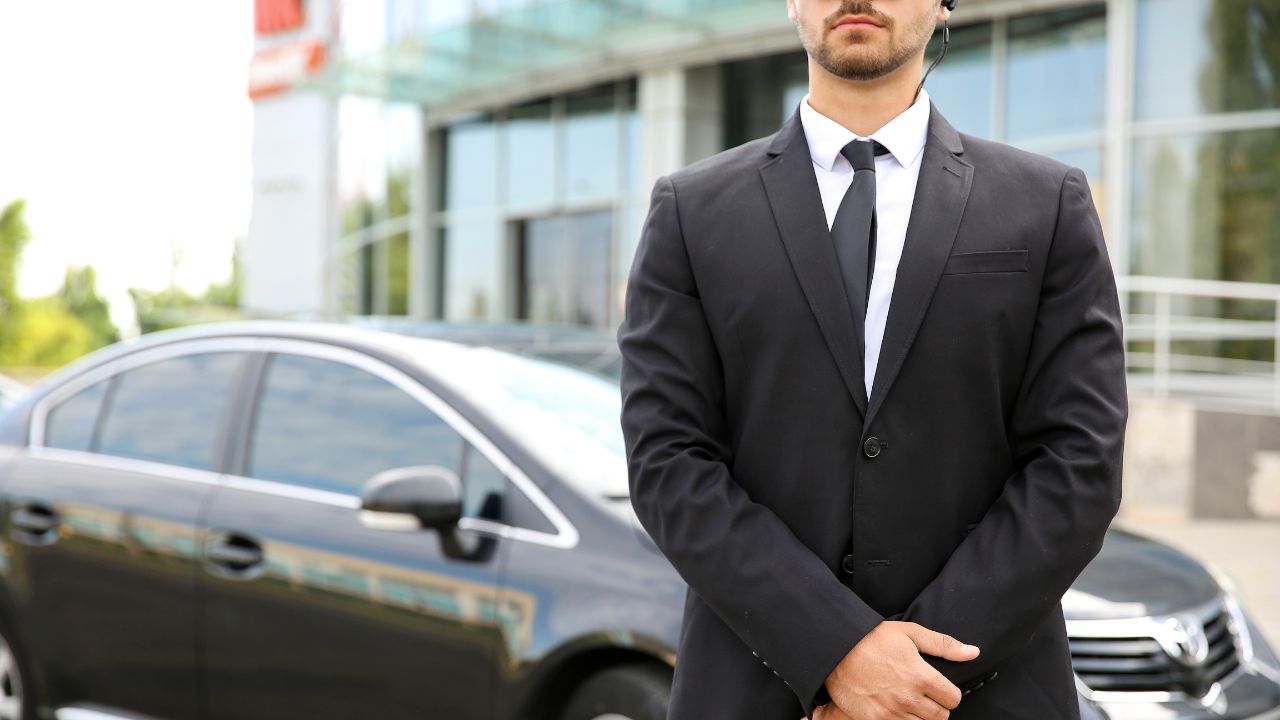

When wealthy families think about bodyguards, many imagine a tall, muscular man in a black suit and sunglasses. This image has been reinforced by Hollywood movies and pop culture for decades. In China, where physical appearance and visible deterrence are often emphasized, many wealthy families hire bodyguards who are selected primarily for their height and size.
But when those same families come to the United States—especially Los Angeles—they quickly discover that size means nothing without elite-level training. In America, criminals are not intimidated by appearances alone. They are often armed, highly organized, and willing to act aggressively. In this environment, professional training and protective intelligence matter far more than muscle mass.
In China, bodyguards often serve a dual purpose: they provide both physical protection and a visible show of status. Their presence can discourage petty crime or create an aura of prestige. But this model does not translate well to Los Angeles.
In Los Angeles, a large bodyguard without tactical training may in fact put the client at greater risk. A visibly intimidating bodyguard can draw attention to a family, making them an even more obvious target for follow-home robberies or coordinated burglaries. Worse, if that bodyguard lacks the ability to detect threats in advance, he may only react once it is already too late.
The true difference between effective and ineffective protection is training. The U.S. Secret Service sets the global standard for executive protection. Their model is built on preventing attacks before they happen, not just reacting after the fact.
At The World Protection Group (WPG), our agents are trained in this model. Instead of relying on intimidation, we emphasize skills such as:
These skills require years of experience, ongoing training, and constant vigilance. They cannot be replaced by physical size.
Los Angeles is one of the most dangerous environments for high-net-worth families. Property crimes, home invasions, and violent robberies are on the rise. Organized gangs target wealthy communities in Beverly Hills, Brentwood, Irvine, and Newport Coast, often following families from luxury shopping centers or airports.
Criminals in LA are not afraid of big bodyguards. In fact, many carry firearms and work in teams. A single large man standing at the gate is not a challenge for them. But an elite protection team that uses intelligence, surveillance detection, and advance planning is a challenge—one that criminals would rather avoid.
Another key difference between China and the U.S. is the role of discretion. In China, a visible bodyguard may symbolize wealth and power. In Los Angeles, however, standing out is dangerous. The safest families are those who appear low-profile while being fully protected behind the scenes.
At WPG, we teach our agents to blend in. They may look like business associates, drivers, or assistants—but in reality, they are trained professionals constantly scanning for threats. This approach ensures both safety and privacy for the family.
Modern executive protection in the U.S. also integrates technology. Drones, AI-driven surveillance, and protective intelligence software now provide real-time data on threats. But again, this technology only matters when combined with expert human training. A drone may detect movement on an estate perimeter, but only a trained protection agent knows how to interpret that data and take decisive action.
For wealthy Chinese families in Los Angeles, the lesson is clear: size is not protection. A physically imposing bodyguard without elite training may offer comfort, but not real safety. True protection requires professionals trained at the Secret Service standard—agents who rely on intelligence, planning, discretion, and skill.
In today’s world, where threats are complex and highly organized, the bodyguard of the future is not defined by height or muscle. He or she is defined by expertise, training, and the ability to prevent danger before it ever touches the family.