


Drone Countermeasures—How Private Estates Can Defend Against Snooping Drones
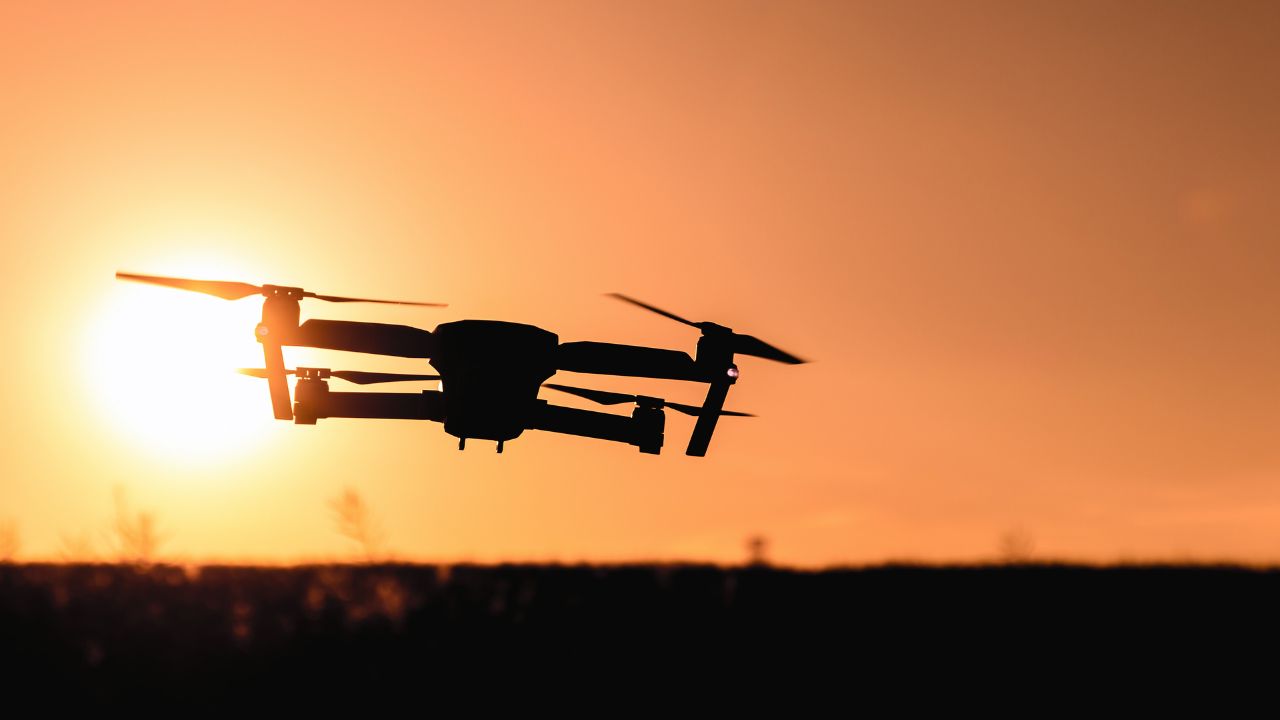

In an age where consumer drones are widely accessible and increasingly capable, private estates and luxury residences are facing a new kind of privacy threat: aerial surveillance. Whether it’s paparazzi, criminals, or opportunistic voyeurs, drones are being used to capture unauthorized images, track routines, and even drop contraband. For high-net-worth individuals, celebrities, and corporate executives, drone countermeasures are no longer optional—they are a critical part of modern estate security.
Drones can:
Because drones are quiet, fast, and hard to detect, they can compromise estate security without ever stepping foot on the property.
Most estate security systems focus on ground-based threats: fences, cameras, guards, and alarm systems. But these tools are often ineffective against aerial intrusions. Traditional surveillance cameras can’t track fast-moving aerial objects, and guards may be unaware a drone was even there until after the footage is already leaked or sold.
WPG works with private estates to implement layered drone countermeasures that combine technology, detection, and deterrence:
Specialized radar and RF sensors can detect drones entering your airspace up to several hundred meters away. These systems track the drone’s altitude, direction, and speed in real time.
By using sound frequency detection and smart cameras, estates can identify drones based on noise patterns and flight behavior, even at night or during low-visibility conditions.
High-tech estates can implement virtual “no-fly zones” using GPS interference technology or signal jamming (where legal). This prevents drones from hovering over or near the property.
In high-risk cases, estates may deploy defensive drones or anti-drone equipment to chase off or disable intruding devices. These systems must be carefully managed and compliant with local laws.
WPG helps clients coordinate with legal advisors and local authorities to document incidents, press charges if necessary, and monitor social media or resale platforms where private content may be leaked.
There’s no one-size-fits-all solution. WPG offers estate-specific drone risk assessments and creates tailored counter-drone strategies based on factors such as property layout, proximity to public airspace, local drone traffic, and privacy sensitivity.
Drone threats to private estates are real and growing. With the right tools and expert planning, estate owners can regain control over their airspace and protect what matters most. WPG stands at the forefront of drone defense, combining advanced technology with elite protective intelligence to secure luxury properties from above.